
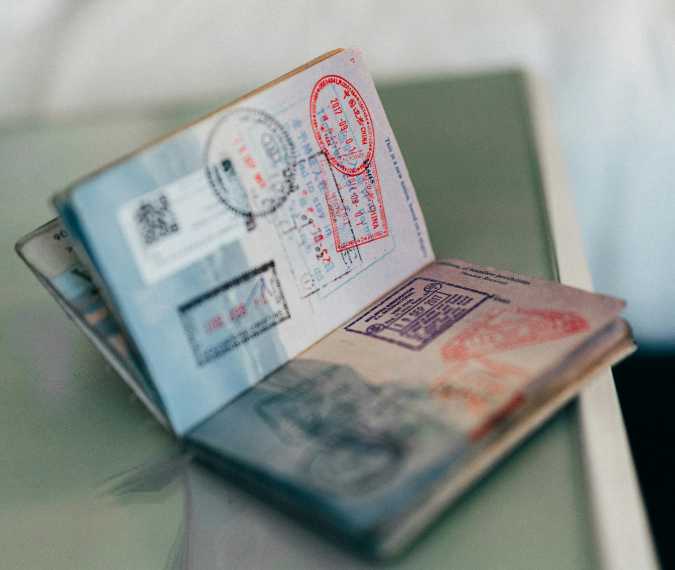
U.S. Visa Applicants May Face Tougher Screening Under New Trump-Era Guidance
A newly issued directive from the Trump administration could significantly raise the bar for foreigners seeking to visit or settle in the United States, particularly those with certain health conditions or limited financial resources.
According to internal State Department guidance circulated to U.S. embassies and consulates worldwide, visa officers are now instructed to apply broader and more detailed scrutiny when assessing applicants. The goal, officials say, is to ensure that newcomers will not depend on U.S. government assistance at any point after entering the country.
The policy builds on the immigration law concept known as “public charge,” which allows the U.S. government to deny visas or permanent residency to individuals deemed likely to rely on public benefits. While this standard has long existed, immigration analysts say the latest guidance expands how it is interpreted and enforced.
Under the new rules, consular officers must evaluate applicants using a wide range of factors. These include age, physical and mental health, family situation, education level, job skills, English-language ability, financial assets, and any prior use of public assistance — regardless of the country where that assistance was received.
Photo: unsplash.com/@kit
Health considerations now appear to play a much larger role. The guidance highlights conditions such as diabetes, obesity, high blood pressure, cardiovascular and metabolic disorders, neurological diseases, and certain mental health issues, including depression and anxiety. Officials are instructed to consider whether these conditions could result in costly long-term medical care.
Applicants who rely on personal finances to demonstrate self-sufficiency may also face closer examination. Visa officers are encouraged to request detailed financial documentation, including bank statements, savings and investment accounts, trust funds, and retirement assets.
Immigration experts warn the directive could lead to a drop in both immigrant and certain temporary visas, with older adults and lower-income applicants among those most affected. Julia Gelatt of the Migration Policy Institute said the policy signals a return to the stricter public charge standards pursued during Trump’s first term, potentially narrowing access to the U.S. even further.
State Department spokesperson Tommy Pigott defended the move, saying the administration is prioritizing policies that protect taxpayers and prevent the immigration system from becoming a financial burden on the public.
Although immigrants already undergo medical exams and vaccination checks before entering the U.S., the new guidance gives consular officials greater discretion to weigh medical and financial risks. Officers may also assess English proficiency during English-language interviews.
Advocacy groups have raised concerns about the policy's broader impact. Adriana Cadena, executive director of Protecting Immigrant Families, said the lack of transparency and wide scope of the guidance could discourage legally present immigrants and their families from seeking healthcare or assistance they are entitled to under the law.
While U.S. officials say the directive applies mainly to immigrant visas and not short-term visitor visas, immigration attorneys note that much depends on how individual consular officers interpret the rules. Steven Heller, an immigration lawyer, described the shift as a change in mindset — from giving applicants the benefit of the doubt to actively searching for reasons to deny entry.
As the administration continues its broader immigration crackdown, the new guidance adds another layer of uncertainty for those hoping to enter or remain in the United States.

